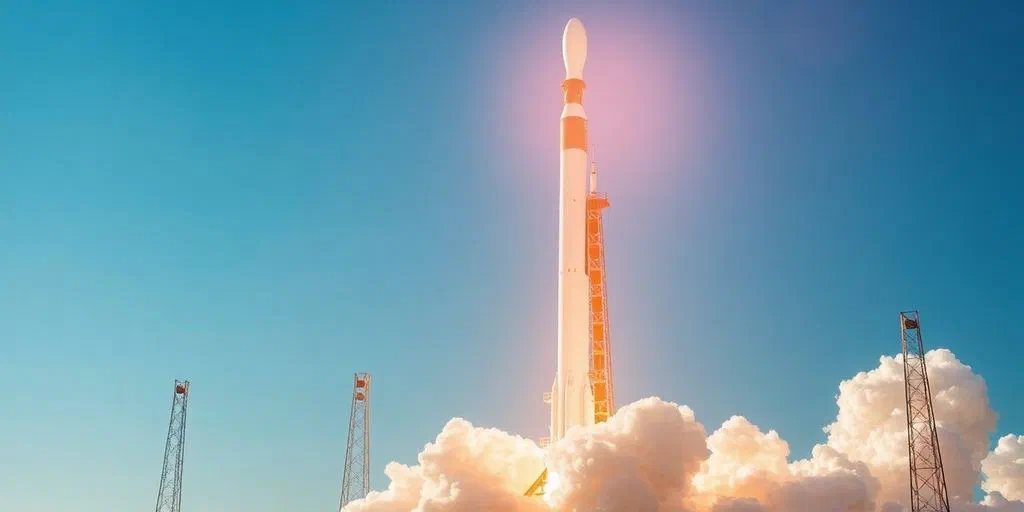
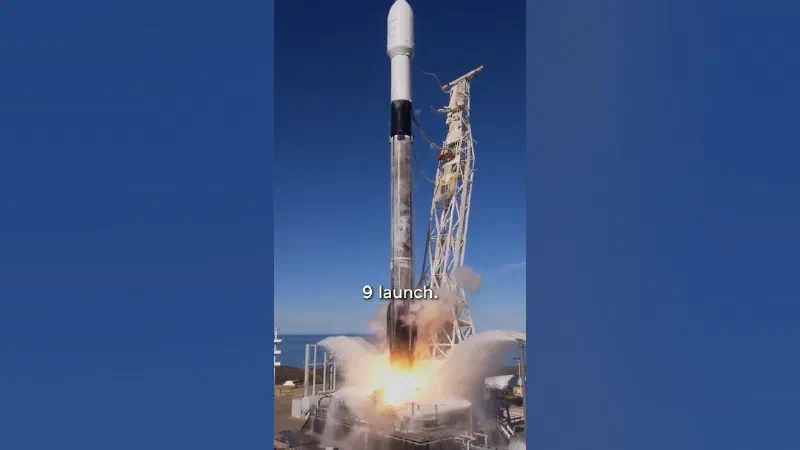
On December 29, 2024, at 05:00 UTC, a SpaceX Falcon 9 launched four “MicroGEO” communications satellites for Astranis from Cape Canaveral, Florida, after a first attempt on December 21 ended in a last-second abort (Space.com). The satellites were deployed about 35 minutes after liftoff and are headed for geosynchronous orbit. This post, first published in April 2025, also summarizes a Y Combinator video published on December 30, 2024, which was filmed before the launch and in which the company describes how it started.
Key Takeaways #
- Astranis launched four satellites on a single, dedicated Falcon 9 on December 29, 2024.
- In the YC video the company says it started in a small apartment and now has more than 400 employees.
- Two of the four satellites serve Anuvu, one (Agila) serves the Philippines, and the fourth (UtilitySat) serves multiple customers, per Space.com.
- The video says Astranis is also developing a next-generation system.
From Small Beginnings to Big Launches #
In the video, an Astranis founder says the team moved into the apartment after the seed round they raised at the end of demo day. They say that to build a spacecraft of this size you do not necessarily need a huge amount of infrastructure, so they built it on Ikea desks with ESD mats. The video then says that eight years later Astranis has more than 400 employees working out of a historic building at Pier 70 in San Francisco.
The Launch of Four Satellites #
The video was filmed while the team was finishing four new satellites, some still panels in stages of assembly and one close to ready. A founder says the four launch together on a single Falcon 9, “one of the bigger rockets”, and that Astranis got its own dedicated launch. They say Astranis was one of the first new companies in history to get an entire dedicated Falcon 9. That is the company’s claim, not something this post checked.
Scaling Up Operations #
The founder says Astranis would go from operating one satellite to five, which they expect to bring many learnings and challenges. The Space.com report supports the four launched; the five is the company’s own plan as stated in the video.
Looking to the Future #
The founder says Astranis is also developing its next-generation system, alongside other new vehicles and programs, and calls balancing them a balancing act.
Conclusion #
The video’s narrator closes with the argument that you do not need to be Elon Musk to start a hard tech company: domain experience, a great co-founder, a scrappy mindset and a lot of perseverance are enough. That is the narrator’s view from one success story. For a longer account of how Astranis started, see You Don’t Have To Be A Billionaire To Launch Satellites.