In this post
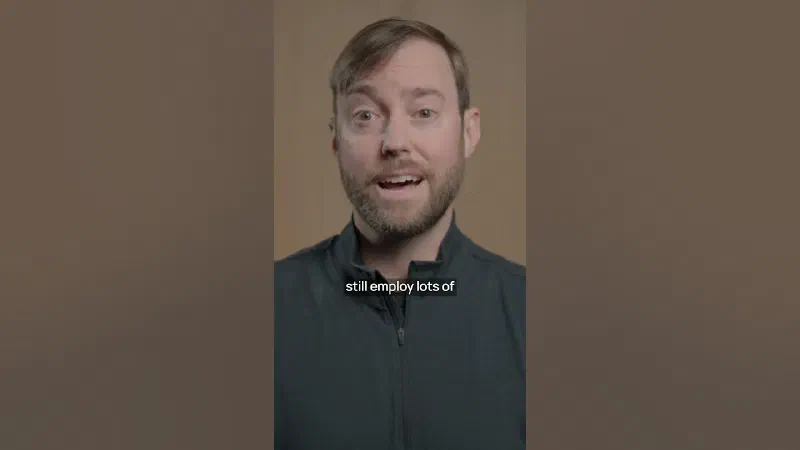
Rich people have long paid humans for personal services. Software may now bring some of that to everyone. This post summarizes a short Y Combinator “Request for Startups” video (published on the Y Combinator YouTube channel, January 2025). The experiences and forecasts below are the presenter’s, not ours.
Key Takeaways #
- Y Combinator argues that software has already brought some once-elite services to everyone.
- Wealthy people still employ many human staff: tax accountants, lawyers, money managers, trainers, tutors, even doctors.
- Y Combinator expects AI to get good enough to do most of these jobs “over the next few years”. That is a forecast, not a result.
The Rise of AI in Personal Services #
The video opens with a claim: software brings to everyone what only the rich could once afford. Its example is the ride. As recently as 2009, the presenter says, only the world’s richest people could afford a private driver. Today Uber has made that service available to anyone with a phone.
The second example is personal. The presenter says that when they first worked on what would become Google Photos, they were surprised to learn that rich people hired humans to edit, label and organize their photos. The team built AI to automate that for billions of people. We could not check that account independently; it is the presenter’s own telling.
Why Only the Rich Could Afford Personal Services #
Despite the software boom of the last decade, the video says wealthy people still employ many human staff. It names:
- Money and legal work: tax accountants, personal lawyers and money managers.
- Health and learning: personal trainers, private tutors and personal doctors.
Why only the rich? The video’s answer: software has not been able to replace this kind of personalized knowledge work. That is the part Y Combinator expects to change.
The Forecast #
The video says “over the next few years we expect AI to get good enough to do most of these jobs”. Read that as a bet from an investor looking for startups, and keep three limits in mind:
- Tax, legal and medical advice carry liability. A wrong answer costs real money or health. A product here needs a human or a clear boundary where the software stops.
- A model that sounds fluent is not the same as one that is right. Test it on your own cases before you rely on it.
- Nobody has shown the result yet. The video predicts it; it does not demonstrate it.
Who’s Building This? #
The video ends with an invitation: if you are working to bring part of a personal AI staff to every human on the planet, Y Combinator wants to hear from you. If you are building in this space, that is the place to start.